Whatever Happened to Fantasy? We Want it back!
It was supposed to be bigger.
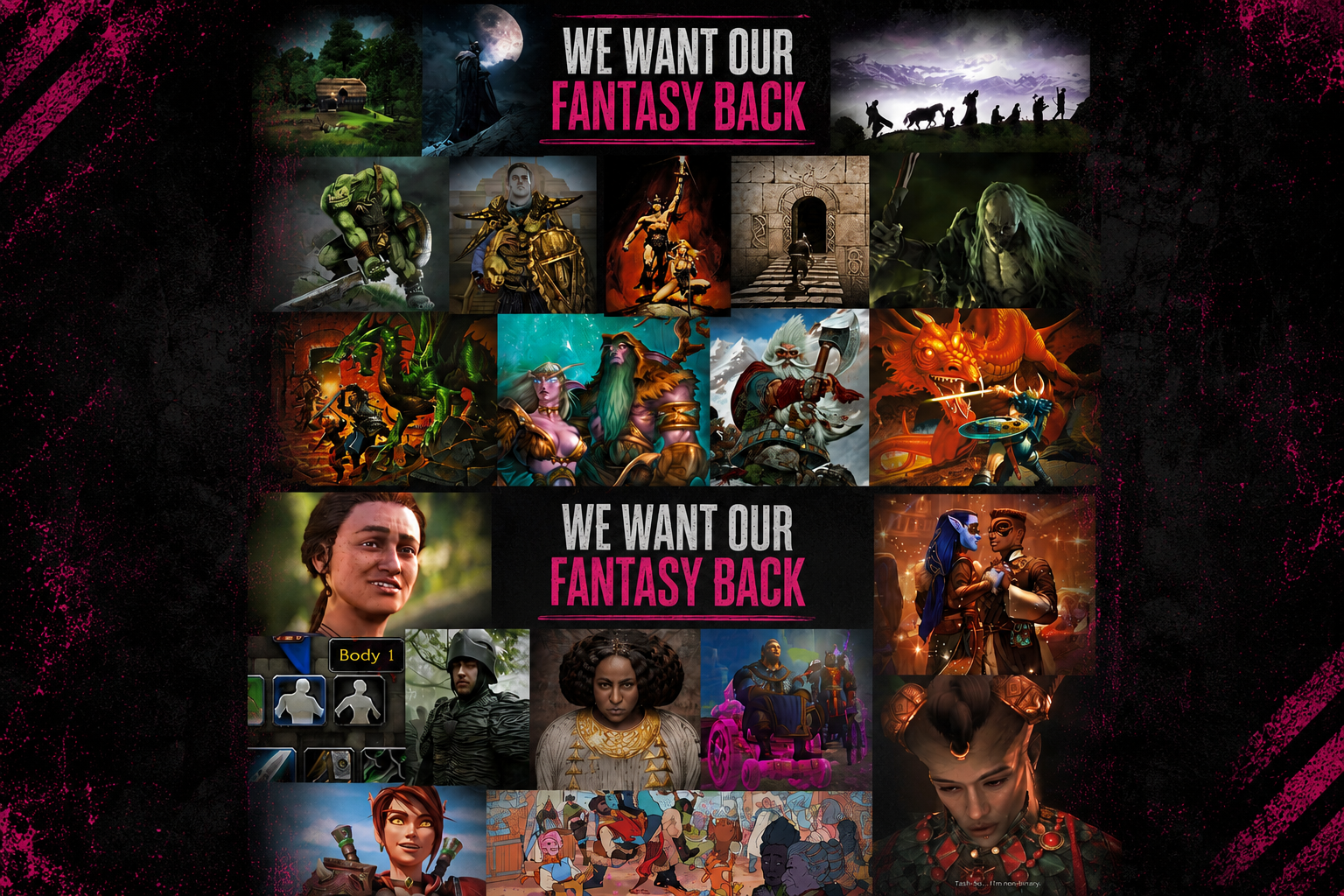
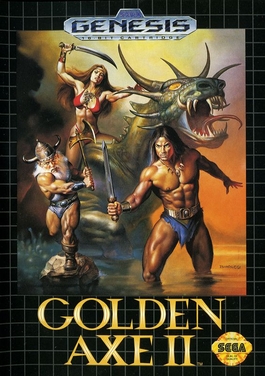
It gave us barbarian warriors who looked like they had been carved out of stone, sorceresses who could be beautiful and terrifying at the same time, ancient kingdoms buried beneath the sand, monsters that actually looked like monsters, cursed forests, forgotten gods, forbidden magic and heroes who went somewhere because there was something to conquer, something to discover and something to fear.
Fantasy was an escape from the ordinary.
Somewhere along the way, parts of the modern fantasy industry decided that wasn’t good enough.
Now we’re increasingly getting fantasy worlds that look less like mythology and more like a corporate retreat with elves.
We want our fucking fantasy back.
WE WANTED TO LIVE THE FANTASY
Look at Robert E. Howard’s Conan.
Conan wasn’t designed to be a relatable guy you might meet at the supermarket.
He was a barbarian wandering through ancient kingdoms of blood and gold, fighting monsters, thieves, sorcerers and armies. Howard’s heroic fantasy was built around action, danger, supernatural horrors and a world that felt impossibly distant from ours.
You didn’t read Conan because you wanted to see a slightly more interesting version of your own life.
A man who could walk into a dungeon, pull a sword, kill something that should not exist and walk out with a woman, a pile of gold and another story that would sound completely insane when told around a campfire.
And fantasy women were fantasy women too.
The genre understood something modern entertainment increasingly seems embarrassed by:
A hero doesn’t have to look like an average person. A warrior can be enormous. A woman can be stunning. A villain can be horrifying. A wizard can look utterly unhinged.
Nobody needs a corporate committee to approve it.
From Conan to the Limp-Wristed Everyman
And this is where the modern obsession with making everything “relatable” starts becoming a problem.
We don’t need the barbarian replaced by the perpetually anxious, limp-wristed modern everyman who looks like he’s never held a sword in his life.
And we certainly don’t need to apologize for wanting ripped Conan instead of another character who looks like Elliot Page after being dropped into a medieval costume.
That doesn’t mean every male protagonist needs to be a muscle-bound killing machine. It means the genre should celebrate strength, beauty, courage, sexuality, violence, ambition, physical excellence and moral ambiguity without immediately treating those things as embarrassing relics that need to be corrected.
And the same standard applies to women.
The problem isn’t female heroes. Fantasy has had incredible female heroes for decades.
The problem is the increasingly common character who enters the story already knowing everything, capable of everything and morally superior to everyone around her. She feels less like a person than the projection of someone’s idealized worldview.
There is something wrong with a boring character.
If your protagonist cannot fail, cannot be surprised, cannot be wrong and never needs to learn anything, you’ve removed one of the most important ingredients of storytelling.
A hero should have somewhere to go.
And the exact same criticism applies to male characters. The answer isn’t replacing the boss-babe with a deliberately pathetic male protagonist and calling that progress. We don’t need either extreme.
Warcraft Understood This
Few games demonstrate the old fantasy instinct better than Warcraft.
Early Warcraft and World of Warcraft weren’t afraid to push fantasy to its limits. The orcs looked brutal. The undead looked disgusting. The demons looked like something you should probably run away from.
The world was packed with war, corruption, ancient powers, death, betrayal and civilizations sitting on top of horrors they barely understood.
Then look at some of the modern presentation and ask yourself what happened.
Somewhere along the way, the silliness started eating the fantasy.
And players have noticed the shift. Community discussions around recent cinematics have repeatedly questioned whether newer presentations still feel like Warcraft.
That is spectacle.
That is a world where something enormous is happening and the audience is supposed to think:
Not:
The Cinematics Tell The Story
The easiest way to see the difference is to put Blizzard’s old and new cinematics side by side.
The old cinematics sold power. They sold war. They sold monsters, armies, impossible landscapes and characters who looked like they belonged in the mythology of their world. They weren’t afraid to make a character look intimidating. They weren’t afraid to make a villain genuinely terrifying. Most importantly, they weren’t afraid to make the player feel small.
The Wrath of the Lich King cinematic gives you Arthas standing above the frozen wasteland with Frostmourne in his hand, surrounded by an army of undead. Cataclysm gives you Deathwing tearing Azeroth apart. These are characters you want to become powerful enough to face.
That’s what a fantasy game cinematic should do.
And this is where modern fantasy presentation so often loses the plot. The industry has become increasingly comfortable making characters approachable, marketable and immediately recognizable, while becoming less comfortable with characters who are intimidating, sexually attractive, physically exaggerated or genuinely monstrous.
The result is fantasy that increasingly looks like it has been designed to be consumed rather than experienced.
Fantasy Was Built On Excess
Excess is not a flaw in fantasy.
Conan was absurdly strong. His enemies were absurdly dangerous. The women surrounding him could be impossibly beautiful. The kingdoms were ancient. The monsters were monstrous. The magic was supernatural.
Warcraft understood the same principle. Its orcs, elves, dragons and demons were exaggerated because fantasy needs a visual language of its own.
And yet modern character design increasingly treats that exaggeration as something that needs to be justified.
We get characters who look deliberately ordinary and then spend the story being told how extraordinary they are.
If your warrior is supposed to be one of the greatest fighters alive, make him look like one. If your sorceress is supposed to be almost mythical, let her look like one. If your villain has ruled an empire for a thousand years, give me a reason to believe it before he opens his mouth.
The visual language should tell the story.
The Industry Forgot What Players Were Buying
The deeper problem is that the industry has started confusing representation of fantasy with the fantasy itself.
Put an elf in the game. Put an orc in the game. Put a dragon in the trailer. Give everybody medieval clothing and call it a fantasy world.
Players aren’t buying a checklist of fantasy nouns.
They’re buying the chance to leave ordinary life behind and inhabit something extraordinary. The appeal of World of Warcraft isn’t simply that Azeroth contains elves and orcs. It’s that the player gets to live in a world where those things actually matter.
And once the world starts constantly reminding you that it is just entertainment, that spell breaks.
The jokes become more important than the danger. The characters become more important than the mythology. The marketing becomes more important than the atmosphere.
You’re consuming a fantasy brand.
That is a terrible trade.
Give Us Back The Dangerous World
The answer isn’t to make every fantasy game miserable or humorless. Warcraft was never that. The answer is to remember that humor works better when there is something serious underneath it.
Most importantly, stop being afraid of characters who are too much.
And players don’t need to apologize for wanting it.
We have spent years being told that these things are outdated, excessive, problematic, unrealistic or somehow beneath modern gaming.
The problem isn’t that players still want Conan. The problem isn’t that players still want spectacular Warcraft cinematics. The problem isn’t that players still want heroes who look like heroes and villains who look like villains.
The problem is that an industry that built billions of dollars of entertainment on those fantasies has started acting embarrassed that players enjoyed them.
We remember why we came here.
We came for the impossible worlds. The enormous warriors. The beautiful sorceresses. The terrifying monsters. The cursed kingdoms. The ancient gods. The heroes who actually have somewhere to go.
We came because fantasy gave us somewhere else to be.
Stop turning warriors into mascots and mythology into content.
Stop being afraid of the things that made fantasy fucking fantastic.
And if the people running the industry don’t want to give it back, it’s time for the people who actually play these games to take it back.
About the Author