
When Did Retro Games Get So Expensive?
I remember when collecting retro games felt like hunting for treasure.
You could walk into a second-hand shop, browse a flea market, check the shelves of some dusty little game store and actually find something. Maybe the box was battered. Maybe the manual was missing. Maybe the cartridge had clearly survived three generations of children.
It didn’t matter. You found an old game, you took it home, and you were just happy to have another game to play.
Today, retro game prices are high enough that rebuilding an old game collection can feel less like a hobby and more like a luxury.
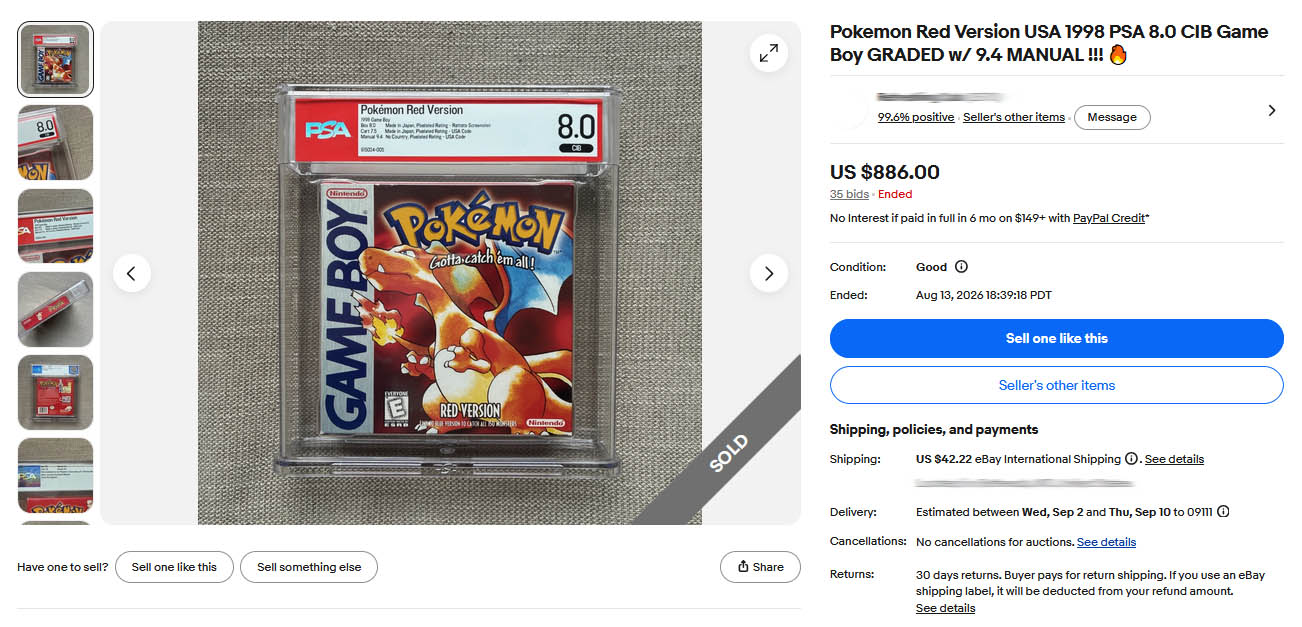
And if you’ve ever looked up what a complete-in-box Pokémon Red or Blue costs today, you know just how expensive that nostalgia can get.
Somewhere Along The Way, A Middle Man Appeared
Collectors have always been part of retro gaming. That’s nothing new.
But over the last fifteen years, reselling has become an incredibly well-developed game of its own.
There is now a middle man between the person who owns an old game and the person who wants it. Resellers monitor auctions, track prices, buy entire collections and immediately break them apart to sell the desirable pieces individually.
And that means when I bid on something, I’m not just competing with another gamer who remembers playing it as a kid.
That’s a subtle difference, but it changes the entire market.
A collector might have a price in their head because they actually want to own the game. A reseller looks at the same copy and sees $100 they can make down the road.
They aren’t buying it because they want it. They’re buying it because they know somebody else will.
Remember When You Could Get Lucky?
This is probably what I miss most.
That’s becoming harder.
Not because those games suddenly became less interesting, but because the entire retro market has become so much easier to navigate. A game that might have gone unnoticed years ago can now be identified, researched and priced in seconds.
And that changes what collecting feels like.
Games aren’t simply old games anymore. They’re loose copies, complete-in-box copies, near-mint boxes, sealed copies, graded copies. Every little difference in condition can mean another jump in price.
I want nice copies too. There’s something special about finding the original box, the manual and all the little pieces that somehow survived twenty or thirty years.
But when collecting becomes an arms race over condition, the distance between “I want this game” and “I want the perfect copy of this game” gets pretty damn big.
And for someone just trying to get a nice copy of their favorite game they remember from growing up, that difference can hurt.
And We’re Creating A New Problem: Fake Games
High prices attract another kind of business.
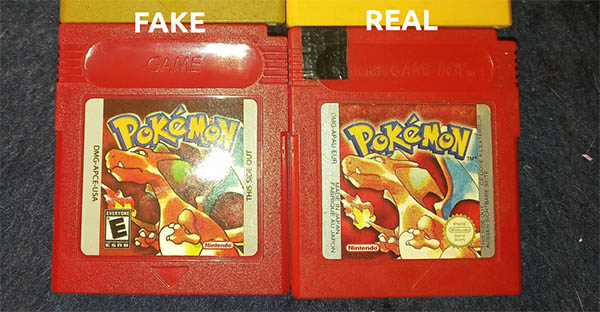
Reproductions are everywhere.
Some are obvious. Others aren’t.
And if you’re not someone who has spent years looking at cartridge boards, labels, boxes, manuals and all the little details that separate an original from a reproduction, you can get burned very easily.
Source: Matthew D Brown / https://matthewdbrown.authorbuzz.co.uk
Imagine finding a beautiful complete-in-box copy of Zelda: A Link to the Past.
You see the box. You see the cartridge. Everything looks right.
You pay collector money.
That’s not just annoying. That’s devastating.
The higher the legitimate market goes, the more attractive convincing fakes become.
Retro collecting is already expensive enough without needing to become a part-time forensic investigator.
The Nostalgia Tax Is Real
There’s another reason this market has become so strange: we’re not really buying old software anymore.
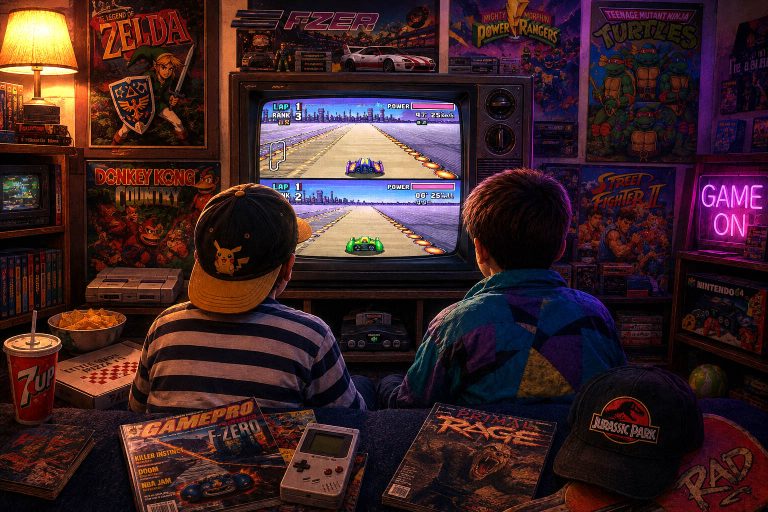
I can look at a cartridge from my childhood and immediately remember the room I played it in, the television it was connected to, who I played it with and what life felt like at the time.
That emotional connection is powerful.
And the market knows it.
A game isn’t necessarily expensive because it’s objectively better than another game. Sometimes it’s expensive because there aren’t many copies left and thousands of people have the exact same memory attached to it.
That’s the nostalgia tax.
And it gets even more interesting when you realize that retro gaming isn’t only about playing anymore.
It’s about displaying.
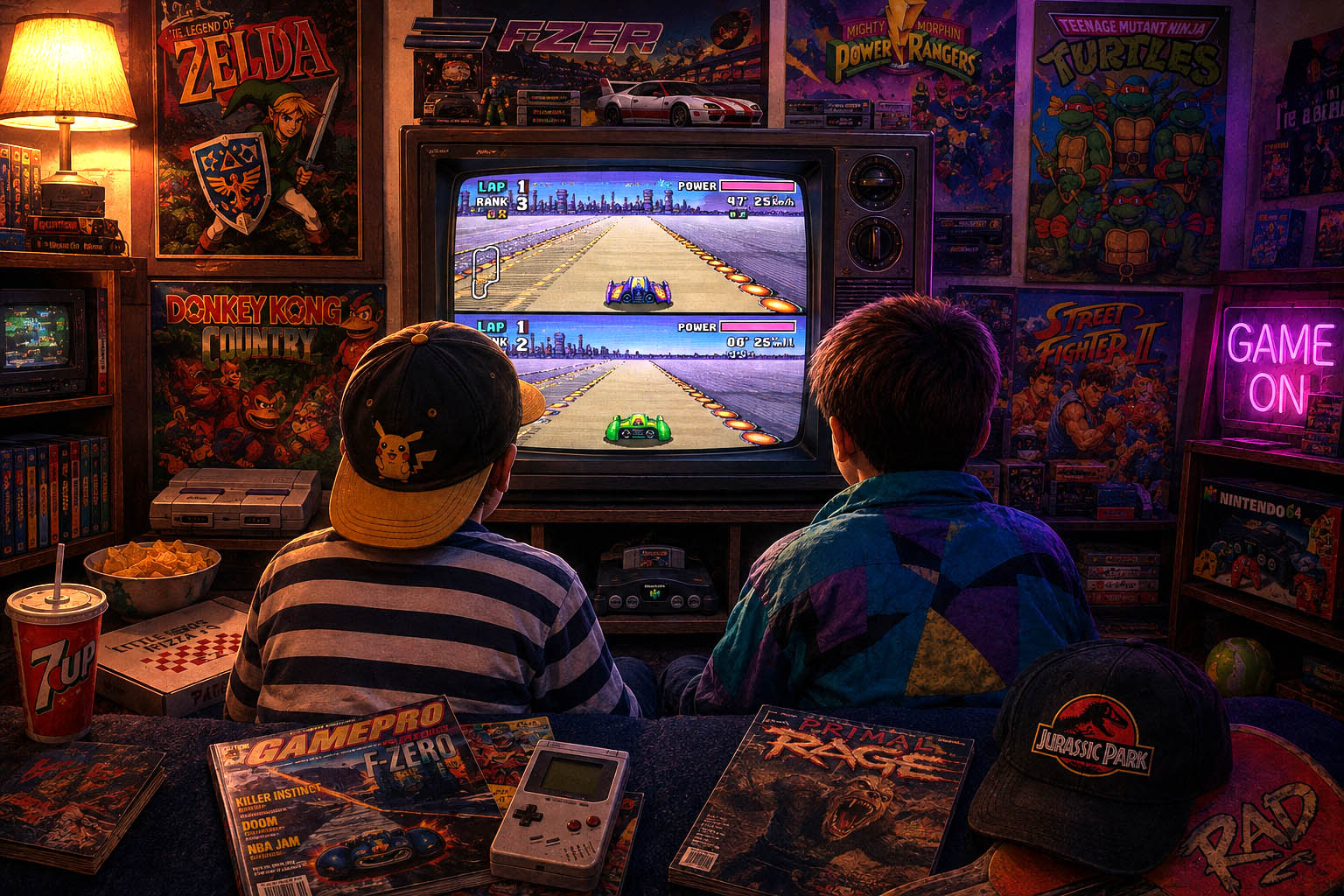
Gaming rooms have become a huge part of gaming culture. People decorate their setups with consoles, cartridges, boxes, posters and games from the eras they love.
But as modern gaming continues moving toward digital libraries, subscriptions and downloads, the physical objects that represent gaming history become even more scarce.
There isn’t going to be a physical copy of today’s digital-only game sitting in a second-hand shop thirty years from now.
The old stuff is becoming the decoration, the memorabilia and the physical connection to gaming’s history.
And we’re competing for a finite supply.
But scarcity combined with speculation is where things get ugly.
Because now you’re not only dealing with fewer surviving copies. You’re dealing with an entire market built around controlling, pricing and trading those copies.
So Where Does That Leave Us?
For me, this is where emulation has become much more interesting.
If I want to experience a game I grew up with, I don’t necessarily need to spend hundreds of euros on an original copy.
Emulation isn’t the same thing as owning the original game. It doesn’t replace the feeling of blowing on a cartridge or putting a beautiful CIB game on a shelf.
But it gives people access.
And modern tools like LaunchBox have made that experience surprisingly enjoyable. Building a library, organizing everything, adding artwork and browsing through your collection can even scratch some of the same collecting itch.
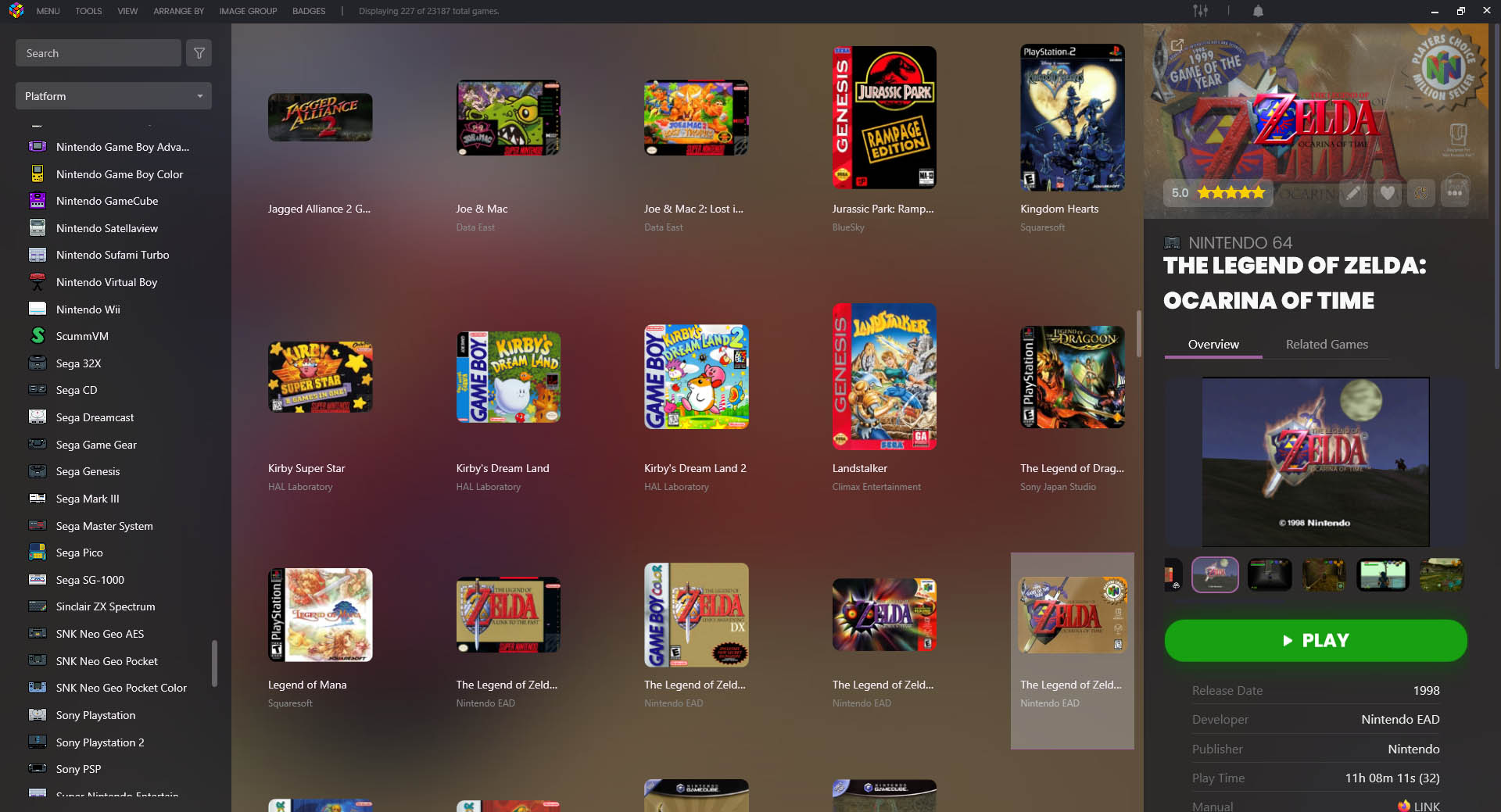
You’re still building a library.
You’re still discovering games.
You’re still looking at a wall of games and thinking, yeah, that’s mine.
Maybe That’s The Weirdest Part
The more I think about it, the stranger the whole thing becomes.
We grew up in a world where games were everywhere. They were toys. They were entertainment. They were things you traded with friends, borrowed from someone at school and found in the bargain bin.
Now some of those same games are treated like luxury collectibles.
And somewhere out there, somebody is paying hundreds of dollars for a piece of cardboard that somebody’s mother threw away twenty years ago.
Maybe that’s the cruel joke of retro gaming. The older the games get, the more expensive my memories become.
I can laugh about it when I’m looking at the price of a CIB Pokémon Red. But then I remember that these aren’t just old games.
About the Author