
Ubisoft Is Running Out of Excuses: The Fall of a Gaming Giant
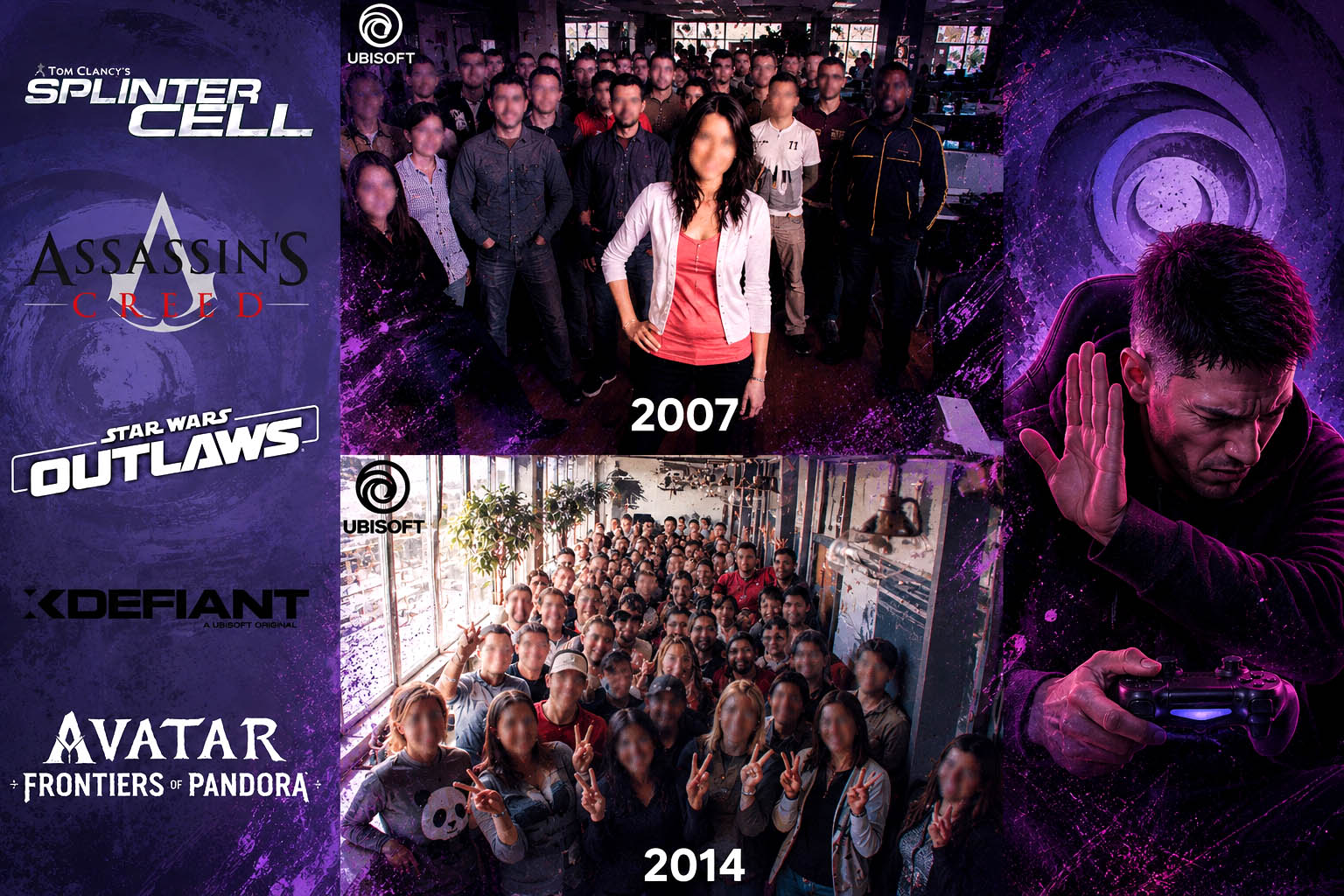
These were games made by people who understood the assignment. Build great worlds. Make the gameplay compelling. Give players something they cannot get anywhere else.
Somewhere along the way, Ubisoft forgot that simple formula.
Now the company is bleeding money, restructuring its business, fighting to regain investor confidence, and still trying to confince players that the people who spent years lecturing them on what gaming should be are somehow the people who know what gamers actually want.
Ubisoft’s latest financial results make for ugly reading: the company reported an IFRS net loss of roughly €1.48 billion for fiscal 2025–26, while warning that net bookings are expected to decline by a high single-digit percentage in 2026–27. This is not exactly what a thriving gaming empire looks like.
Ubisoft keeps rearranging the company instead of asking the obvious question: why did gamers stop wanting what it’s selling?
Maybe Ubisoft needs to start making games for gamers again.
When Game Nerds Became Corporate Culture
Ubisoft used to understand that its franchises had identities. Assassin’s Creed felt different from Far Cry. Rainbow Six felt different from Ghost Recon. Prince of Persia felt different from anything else in the lineup. The games had their own personalities, and players knew exactly what they were getting into.
That identity has slowly been replaced by corporate sameness.
But Ubisoft didn’t just change its games. It changed what the company says matters. Diversity, inclusion, social impact and all the other nice-sounding corporate buzzwords have become part of Ubisoft’s culture, its workforce strategy and its games. Through initiatives like DIASI and its inclusion programs, Ubisoft has made these priorities part of the rules its employees and developers are expected to work under.
And players are allowed to ask whether all of that corporate machinery is actually making better games.
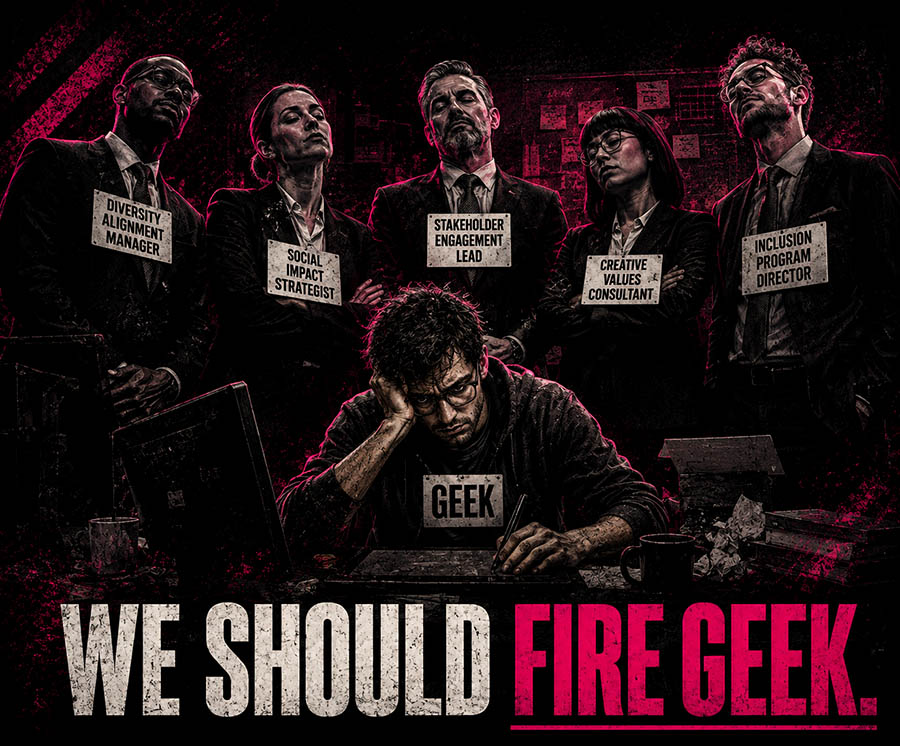
Players aren’t subscribing to a diversity initiative. They aren’t buying a $70 game because Ubisoft has a nice HR policy. They want gameplay. They want characters worth caring about. They want worlds that pull them in and refuse to let go.
Give us the nerds who spend all night arguing about game mechanics. Give us the developers who are obsessed with making the best damn game they possibly can.
Investors are starting to demand answers too.
Ubisoft’s financial problems have become far too large to hide behind marketing language. The company has gone through layoffs, restructuring, delays and a major organizational reset while attempting to restore sustainable growth. Its own latest outlook still calls for negative operating margins and significant free-cash-flow consumption in 2026–27.
Because the audience isn’t obligated to keep buying games that don’t interest them simply because Ubisoft thinks they should.
The market has a brutally simple way of answering that question. People either open their wallets or they don’t.
Charlie Guillemot And Marie-Sophie de Waubert: Fixing The Mess?
Ubisoft’s answer to its problems is another shake-up. Charlie Guillemot returned to Ubisoft and joined Marie-Sophie de Waubert in leading the company’s Transformation Committee.
There is one detail Ubisoft probably doesn’t want players to overlook.
Charlie Guillemot is the son of Ubisoft chairman and CEO Yves Guillemot.
So while Ubisoft talks about transformation, one of the people being trusted to help reshape the company is a member of the family that has been running it for decades.
The problem isn’t solved by moving executives around. The problem is whether Ubisoft finally understands why its audience stopped trusting it.
If the same people are still running the show, what exactly has changed?
Assassin’s Creed And The Black Samurai Nobody Asked For
And then there is Assassin’s Creed.
This should have been easy.
For years, players asked Ubisoft for one thing: Japan. Not vaguely Japan-inspired. Not Japan filtered through Ubisoft’s corporate priorities.
They wanted feudal Japan. Samurai. Shinobi. Shrines. A massive historical playground where players could lose themselves in one of the most fascinating periods in Japanese history.
The controversy went well beyond gaming forums. It drew criticism in Japan over historical accuracy and the depiction of sacred sites. Ubisoft ultimately changed shrine gameplay so monks no longer bleed and certain temple and shrine objects could no longer be destroyed.
So yes, let’s say the uncomfortable part out loud:
And when Ubisoft found itself dealing with backlash over exactly these choices, the response was more interested in condemning the people criticizing the game than asking why they were pissed off.
Yves Guillemot says Ubisoft must “listen closely to our players.” Yet when those players pushed back against Assassin’s Creed Shadows, he condemned the “hateful” backlash and said he would “always trust” Ubisoft’s creative choices.
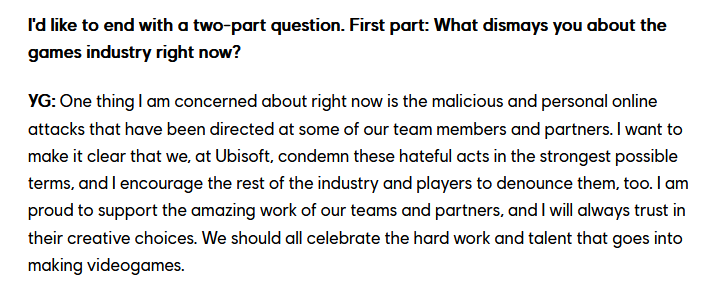
Apparently, listening to players only works when they agree with you.
The customer complains, and somehow the customer becomes the problem.
And Then Came The Boss Babe
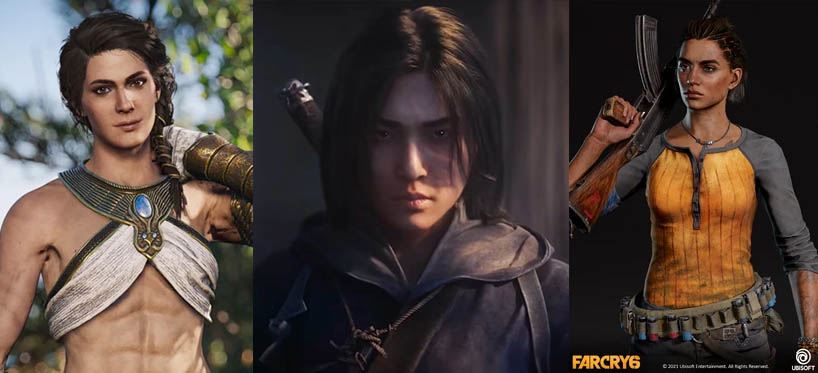
The same problem shows up in Ubisoft’s character design.
Nobody gives a damn whether a protagonist is male or female if the character is actually good. Gamers loved Lara Croft. They loved Jill Valentine. They loved Samus. They loved countless female characters because they were characters first.
But Ubisoft’s modern “strong female character” formula increasingly feels like it was assembled in a corporate meeting.
Permanent attitude.
Maximum “I am the most important person in this room” energy.
It isn’t empowering because a writer tells us it is empowering. We don’t like these archetypes, and we’re fucking tired of being told we’re supposed to.
Give us characters with personality. Give us flaws. Give us people we actually want to spend thirty hours with.
Stop Treating Your Audience Like The Enemy
Perhaps the biggest problem is the relationship Ubisoft has developed with its own customers.
Players are not a nuisance. They are not an obstacle between Ubisoft and its quarterly targets. They are the reason Ubisoft exists.
And the wider gaming industry has spent years teaching players that criticism is something to be managed rather than heard.
Ubisoft’s The Crew saga is another example of what happens when a company stops treating its players like customers and starts treating them like the enemy.
Ubisoft shut down a game people had paid for, leaving their copies unplayable, and then defended its position by arguing that those customers had purchased a limited license rather than permanent ownership. Players have even taken Ubisoft to court over it.
That tells players exactly where they stand in Ubisoft’s eyes.
And when players push back, they aren’t treated like customers whose trust matters. They become the problem.
That is how you destroy the relationship between a company and the people keeping it alive.
Ubisoft Still Has A Way Out
And here’s the thing Ubisoft’s critics should not forget:
We want Ubisoft to get its shit together.
Because this company still owns some of the biggest names in gaming. Assassin’s Creed. Far Cry. Rainbow Six. Ghost Recon. Prince of Persia.
That is an incredible library.
But those franchises aren’t immortal.
Look at Disney’s Star Wars. A gigantic brand can survive almost anything, until enough people decide that the people running it no longer understand why they loved it.
Ubisoft is not there yet.
But it can get there.
If the company continues down the same road, eventually Assassin’s Creed, Far Cry, Ghost Recon and the rest will become nothing more than recognizable logos attached to products nobody is excited to buy.
Ubisoft needs to remember what it was before the corporate machine became the product.
Hire people who love games. Let developers make games. Give players what they actually want.
INTO OUR SPACE.
About the Author